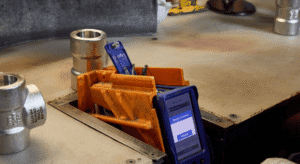

For engineers and buyers, a successful plant turnaround is won or lost long before the first wrench is turned. In the 6-to-18-month lead-up to a major shutdown, the focus is on stability: finalizing the Bill of Materials (BOM), vetting vendors, and ensuring that every component—from standard forged fittings to custom branch connections—meets the highest technical specs.
When building a turnaround BOM for an upcoming project, the “lowest bid” is often the highest risk. Reliability, material traceability, and manufacturing capacity are the true currencies of a stress-free maintenance season.
1. Navigating Long-Lead Items in Your BOM
When planning your plant maintenance, off-the-shelf is rarely a guarantee. Specialized[BF1] alloys or custom-machined swages and pipe nipples can have lead times that stretch into several months.
Early engagement with a domestic manufacturer allows you to:
- Secure Your Slot: By sourcing 12 months out, you aren’t fighting for production capacity during the peak of maintenance season.
- Verify Material Test Reports (MTRs): Getting your documentation early ensures that when the parts arrive, they are already cleared by your quality team, preventing last-minute compliance bottlenecks.
2. Bridging the Gap Between Engineering and Procurement
One of the biggest pain points in industrial facility maintenance is a disconnect between design specs and what is available in the market.
Engineers need precision; buyers need budget certainty. By consulting with a manufacturer that offers both deep technical expertise and a massive inventory of bar stock fittings and forged pressure fittings, you can future-proof your BOM. Collaborative sourcing ensures that the branch connections designed in the planning phase are exactly what arrive at the staging area when you need them.
3. Vetting for Reliability in Industrial Maintenance Support
During refinery maintenance, a vendor’s track record isn’t just a marketing phrase—it’s a safety requirement. When evaluating vendors for a long-term maintenance contract, look for these key indicators:
- Domestic Control: Does the manufacturer control the process from forging to final machining? This reduces supply chain variables.
- Specialized Expertise: Can they handle the rigorous demands of nuclear power, shipbuilding, or high-pressure petrochemical environments?
- Problem-Solving Culture: You need a partner who doesn’t just take orders but asks, “Is this the most efficient way to achieve this connection?”
Strategic Planning for Your Next Turnaround
The goal of refinery and plant maintenance planning is to eliminate surprises. By moving your sourcing conversations to the earliest phases of the project, you shift the power back to your team.
At Penn Machine, we work with engineers and buyers during the “quiet months” to ensure that when refinery maintenance begins, every part is on-site, verified, and ready for installation. Our dedicated facility and experienced teams are built to support your long-term reliability goals through precision manufacturing and unwavering customer service.
Building your BOM for an upcoming turnaround?
Let’s look at your specs early to ensure a seamless execution later.